Used Tesla Model 3: Battery, Variants, SoH
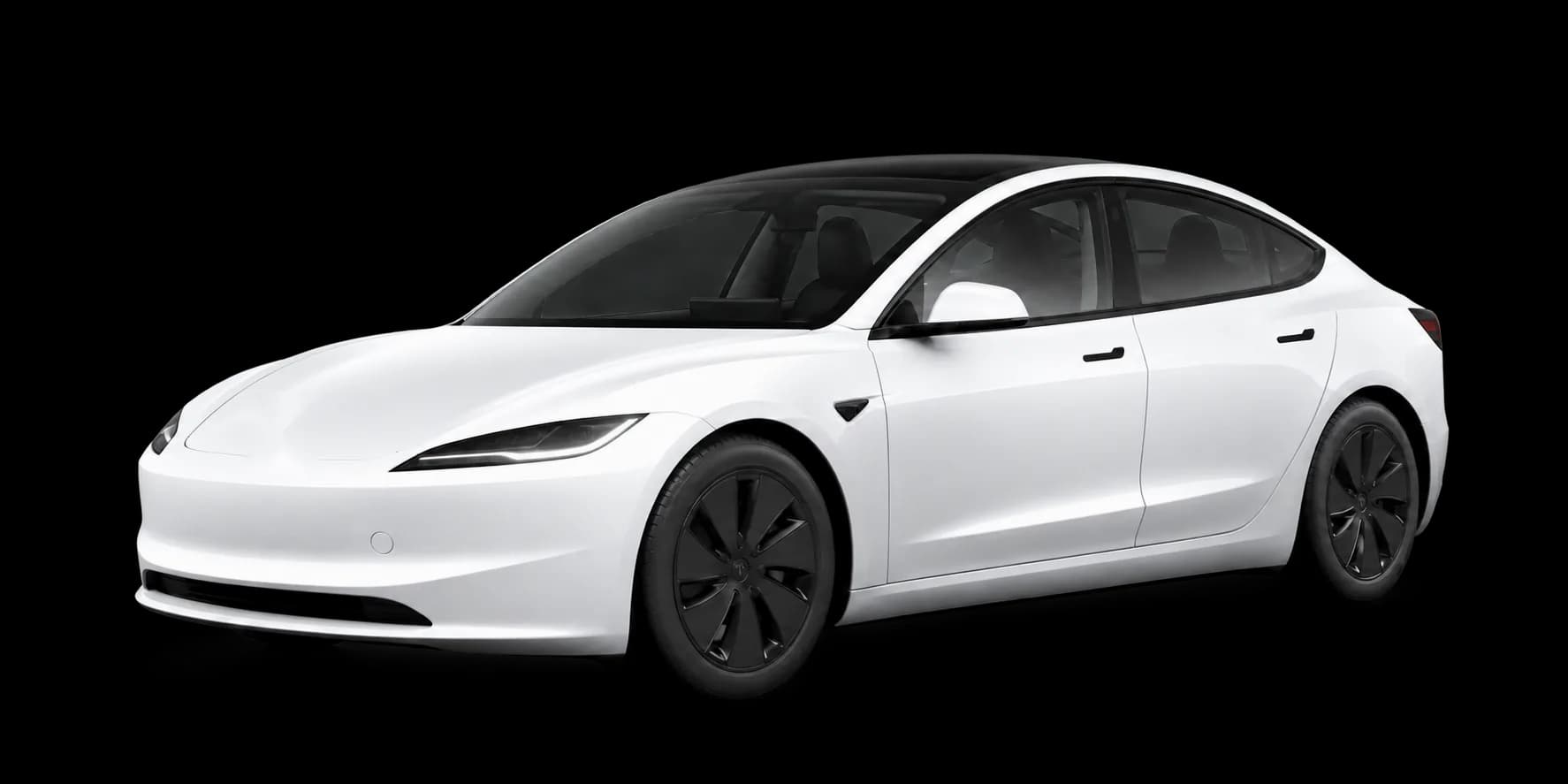
Variants & batteries at a glance
| Variant | Period (EU) | Usable capacity | Cell chemistry |
|---|---|---|---|
| Standard Range Plus (NCA) | 2019 – late 2020, some into 2021 | approx. 49–52 · approx. 51–55 | NCA |
| Standard Range Plus / RWD (LFP) | late 2020 – 2023 (Shanghai) | approx. 52–55 · approx. 57–62 | LFP |
| RWD (Highland facelift) | since 09/2023 (Shanghai) | approx. 57 · approx. 60–62 | LFP |
| Long Range (AWD, from 2024 also RWD) | 2019 – 2025 | approx. 75–78 · catalogue 72–75, community measurements up to 79 · 75 · 79 | NCANMC |
| Performance | 2019 – today | same as the Long Range of the respective year · 75 | NCANMC |
Standard Range Plus (NCA) (2019 – late 2020, some into 2021)
| Period | net kWh | Chemistry | Cells |
|---|---|---|---|
| 2019 – 2020 (Fremont) | approx. 49–52 | NCA | Panasonic 2170 |
| 2021 (remaining Fremont imports) | approx. 51–55 | NCA | Panasonic 2170L |
The early NCA packs are well documented; community data shows mostly moderate, steady losses even at high mileage. Everyday charging recommendation: keep the limit at 80 percent.
VIN tip: a VIN starting with 5YJ means Fremont/USA (NCA), LRW means Shanghai.
Battery warranty for this variant: 8 years / 160,000 km (70% minimum capacity).
Standard Range Plus / RWD (LFP) (late 2020 – 2023 (Shanghai))
| Period | net kWh | Chemistry | Cells |
|---|---|---|---|
| 11/2020 – 2021 (SR+) | approx. 52–55 | LFP | CATL, prismatic |
| late 2021 – 2023 (renamed RWD) | approx. 57–62 | LFP | CATL, prismatic |
LFP holds up well to cycling, but the SoH reading depends more heavily on the BMS here: the flat voltage curve makes the estimate harder, and uncalibrated readings jump around.
Tesla recommends charging LFP cars to 100 percent regularly — that calibrates the BMS and is not a warning sign in an ad.
Battery warranty for this variant: 8 years / 160,000 km (70% minimum capacity).
RWD (Highland facelift) (since 09/2023 (Shanghai))
| Period | net kWh | Chemistry | Cells |
|---|---|---|---|
| 09/2023 – 05/2025 | approx. 57 | LFP | CATL |
| since 05/2025 | approx. 60–62 | LFP | CATL (6M) |
Too young for reliable long-term statements; the LFP notes for the preceding variant apply.
Battery warranty for this variant: 8 years / 160,000 km (70% minimum capacity).
Long Range (AWD, from 2024 also RWD) (2019 – 2025)
| Period | net kWh | Chemistry | Cells |
|---|---|---|---|
| 2019 – 2020 (Fremont) | approx. 75–78 | NCA | Panasonic 2170 |
| late 2020 – 2023 (Shanghai) | catalogue 72–75, community measurements up to 79 | NMC | LG 2170 (M48/M50) |
| Highland, 09/2023 – 2025 | 75 | NMC | LG 5L |
| since late 2025 (renamed Premium) | 79 | NMC | LG 5M |
The best-selling used variant. Careful when comparing two ads: Fremont NCA and Shanghai NMC age differently and started from different capacities — SoH percentages are not directly comparable across packs.
Battery warranty for this variant: 8 years / 192,000 km (70% minimum capacity).
Performance (2019 – today)
| Period | net kWh | Chemistry | Cells |
|---|---|---|---|
| 2019 – 2023 | same as the Long Range of the respective year | NCANMC | same as Long Range |
| Highland, since 04/2024 | 75 | NMC | LG 5L |
Same packs as the Long Range; more frequent full-power driving changes surprisingly little in fleet data — charging habits and long stints at a high state of charge matter more.
Battery warranty for this variant: 8 years / 192,000 km (70% minimum capacity).
The Model 3 is the most traded used EV in Germany — and at the same time the model with the most battery changes under the floor: at least three cell chemistries, two factories and half a dozen pack generations since 2019. Know the variant and you understand the price.
Reading the SoH on a Model 3
We compare every route, from the built-in battery health test through service mode to independent certificates, in detail in our guide checking Tesla battery health. Short version: for your own curiosity the on-board diagnostics are enough; for selling, what counts is proof the buyer can verify.
What to look for when buying used
First identify the variant (table above; the VIN prefix helps), then ask for battery proof — and only ever compare SoH figures within the same pack generation. On LFP cars, regular 100 percent charging is the manufacturer's own recommendation; a "only ever charged to 80 percent" history is not a quality mark here. And remember: the remaining warranty (see below) is worth hard cash — a car approaching the 160,000 km limit without battery proof deserves a discount.
Battery warranty
Tesla warrants the battery for 8 years with at least 70% remaining capacity. Mileage limits and exceptions are shown with the variants above and in the questions below.