Don’t give away your EV’s value when you sell. Prove it instead of just claiming it.
With a used EV, the battery becomes a price argument. Akkubrief documents its condition during your ownership – so you enter the later negotiation with evidence, not just a claim.
What it costs
Free. Building your Akkubrief and viewing its history. The signed Akkubrief costs a one-time €79 at launch.
Where we stand
Study phase. The validation study is under way. You can buy your Akkubrief once the results are published; until then, you can build your battery history for free. What this means for you →
What access
Read-only. Sign-in at Tesla, no hardware, no vehicle control, revocable at any time.
What you want to show when you sell, you need to document before then.
You can still measure a current battery figure shortly before the sale. Months or years of documented development cannot be recreated afterwards.
Start today. Prove it later.
Same figure today. Different story.
To a buyer, two EVs can look the same today even though their batteries developed differently before. That open question becomes part of the price negotiation.
Vehicle A
Today92%
Largely steady across 18 months.
Vehicle B
Today92%
Steady for a long time — then a marked drop.
Example data for illustration, not a real vehicle. Both series run across 18 months and end at 92% today.
Which models are supported?
Live means connecting, a first estimate and the history work today. In progress means we are building that connection right now — VW is where the focus is.
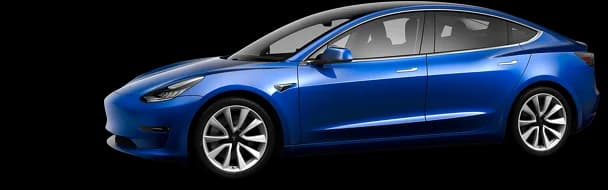
- Tesla Model 3live
- Tesla Model Ylive
- Tesla Model Slive
- Tesla Model Xlive
- VW ID.3in progress
- VW ID.4 / ID.5in progress
- VW ID.7in progress
- BMW i3in progress
- BMW i4in progress
- BMW i5in progress
- BMW i7in progress
- BMW iX / iX1 / iX3in progress
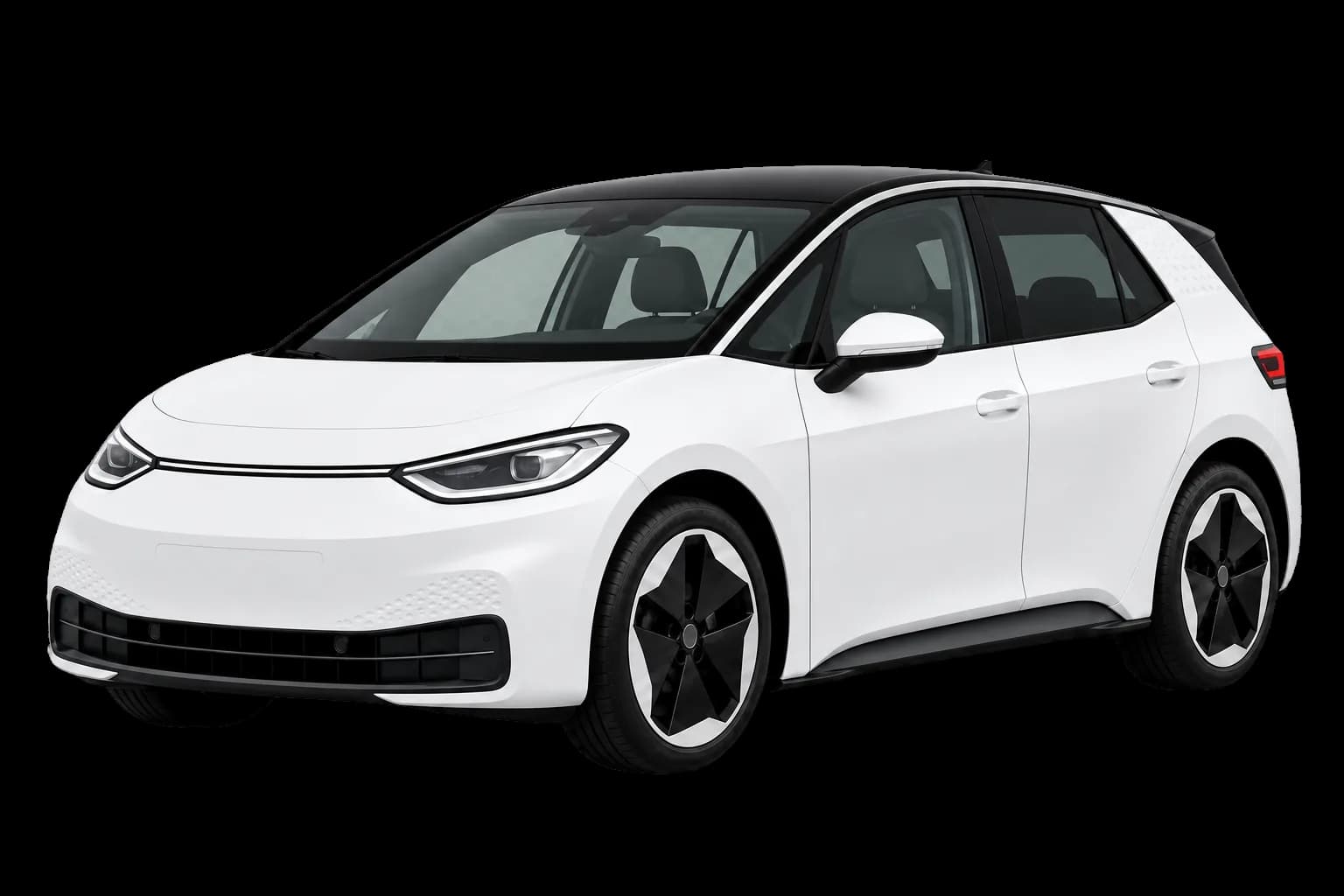
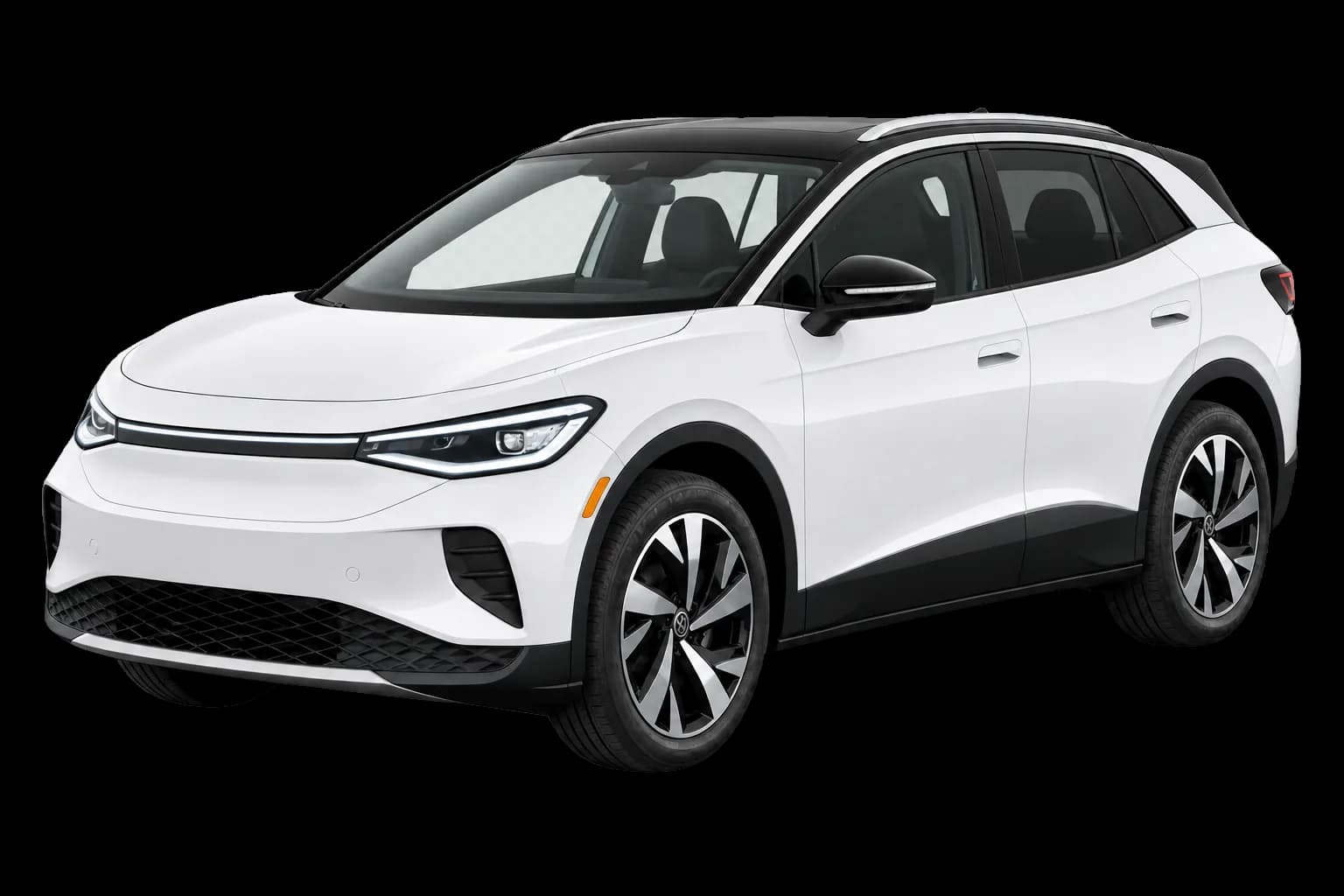
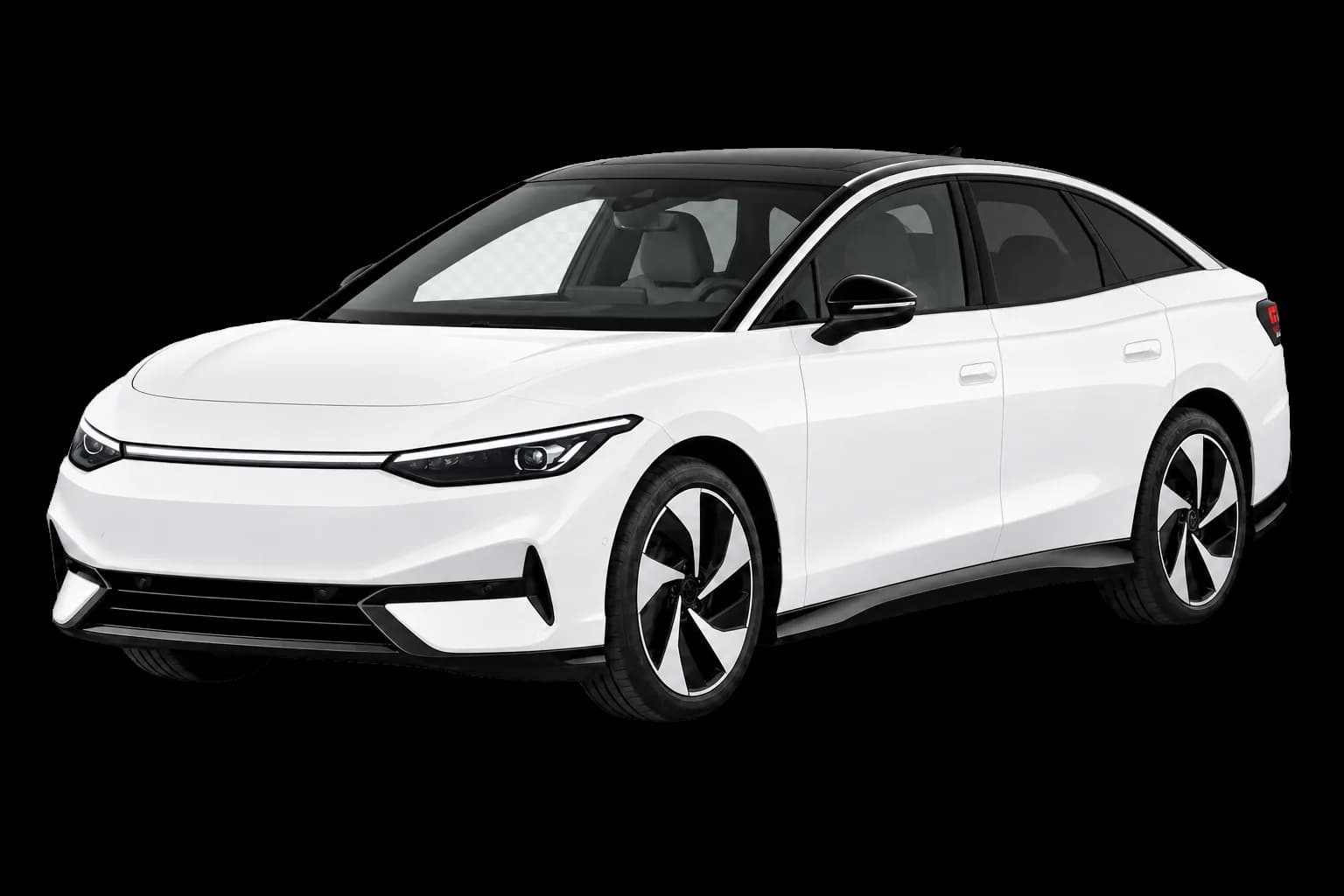
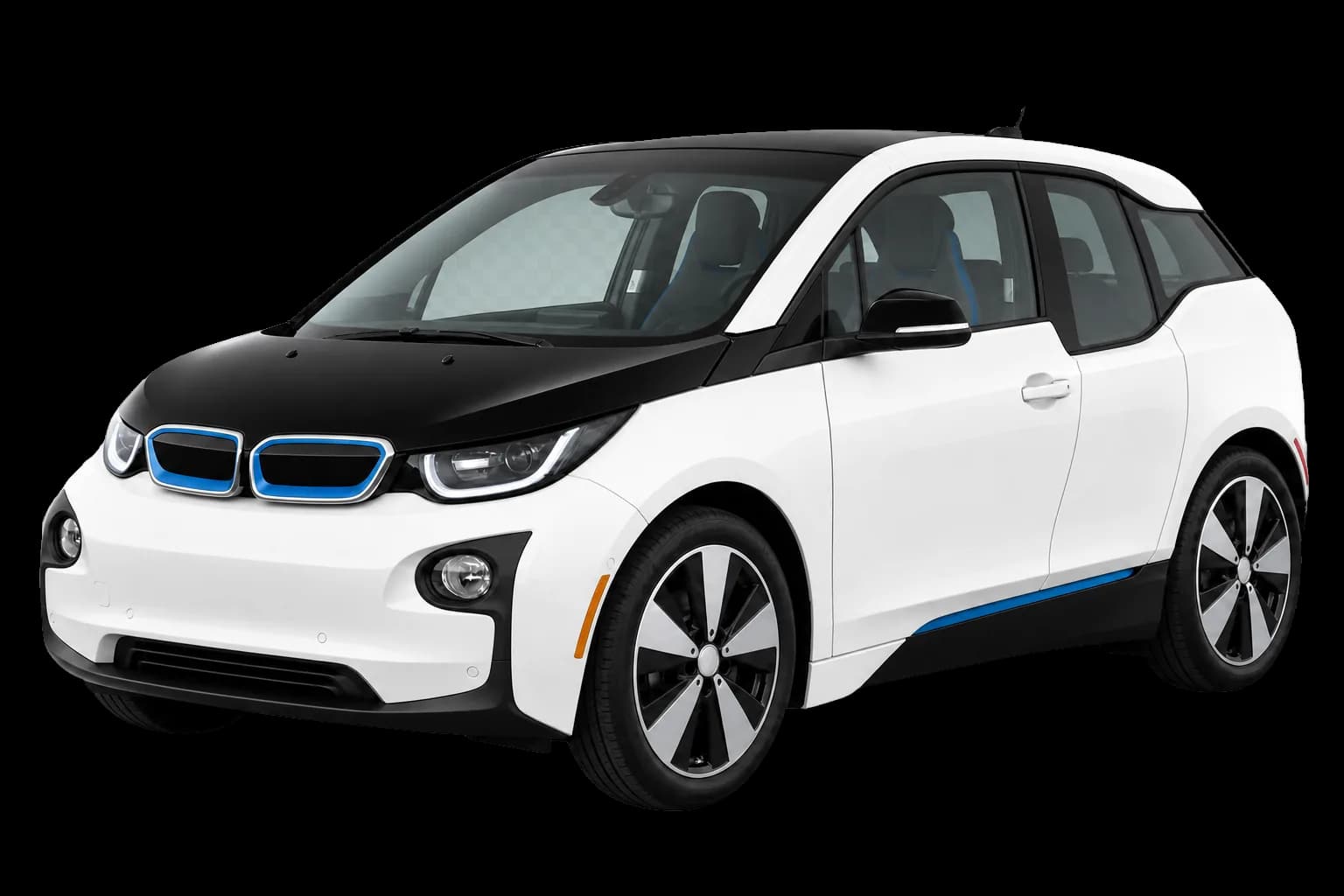
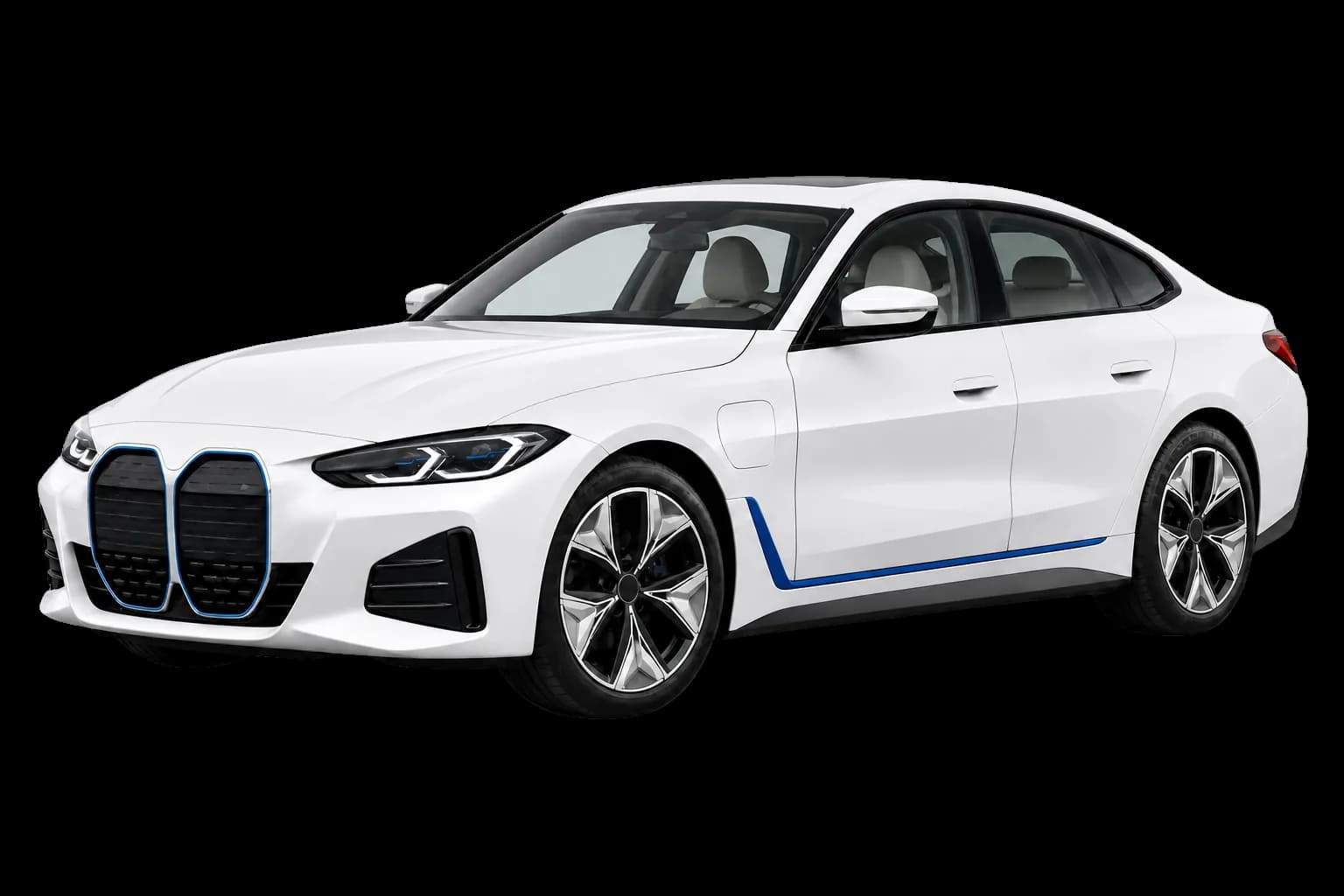
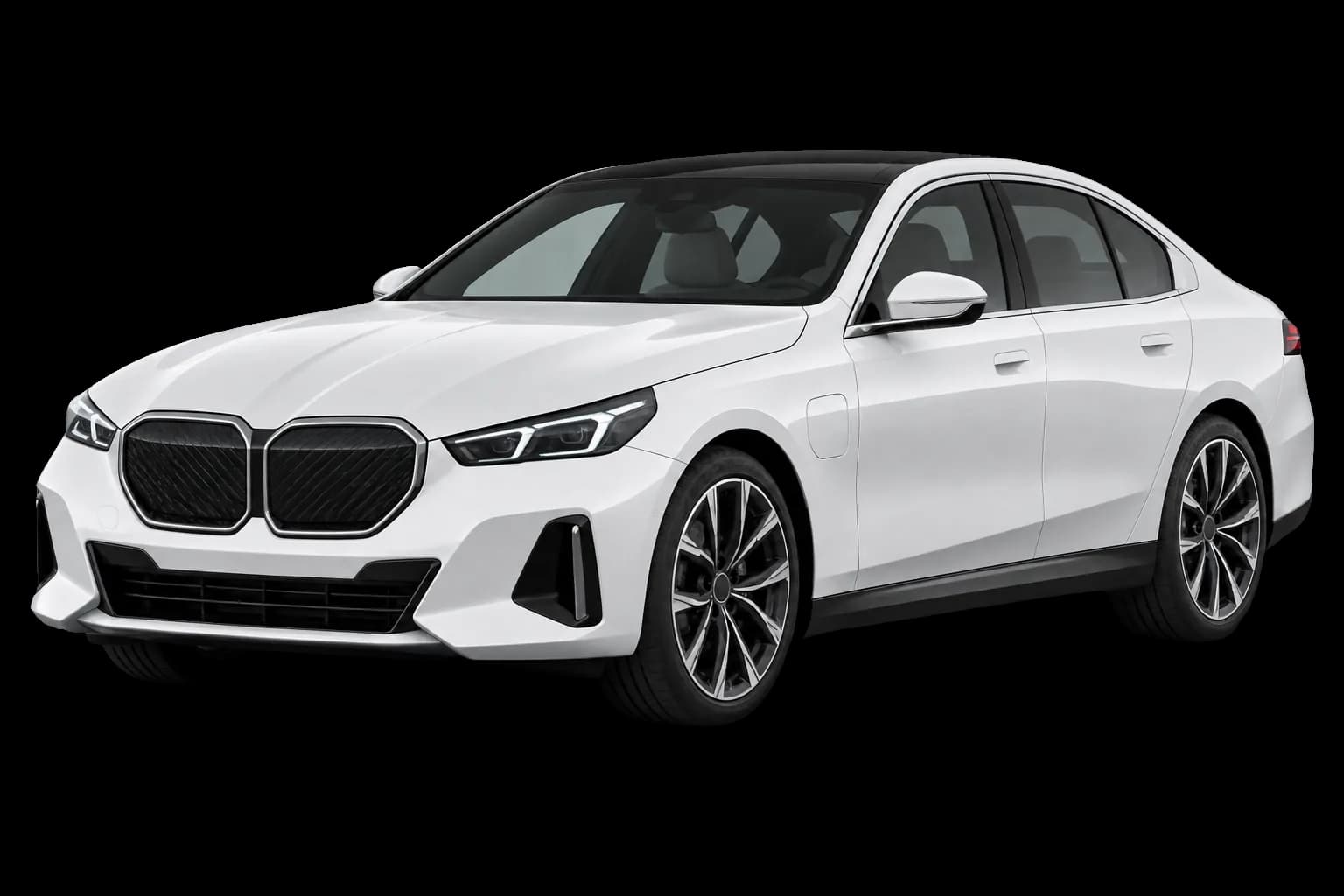
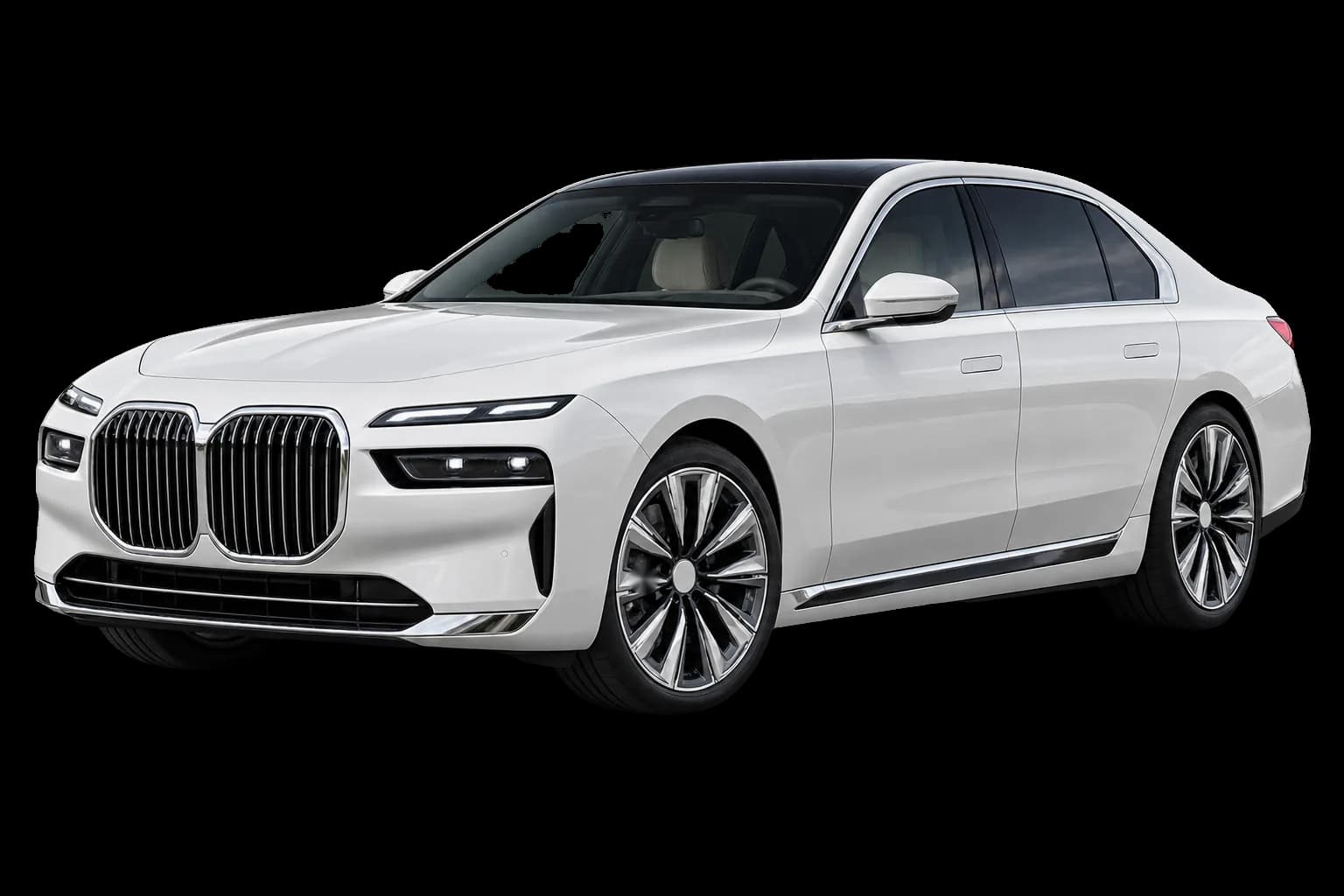
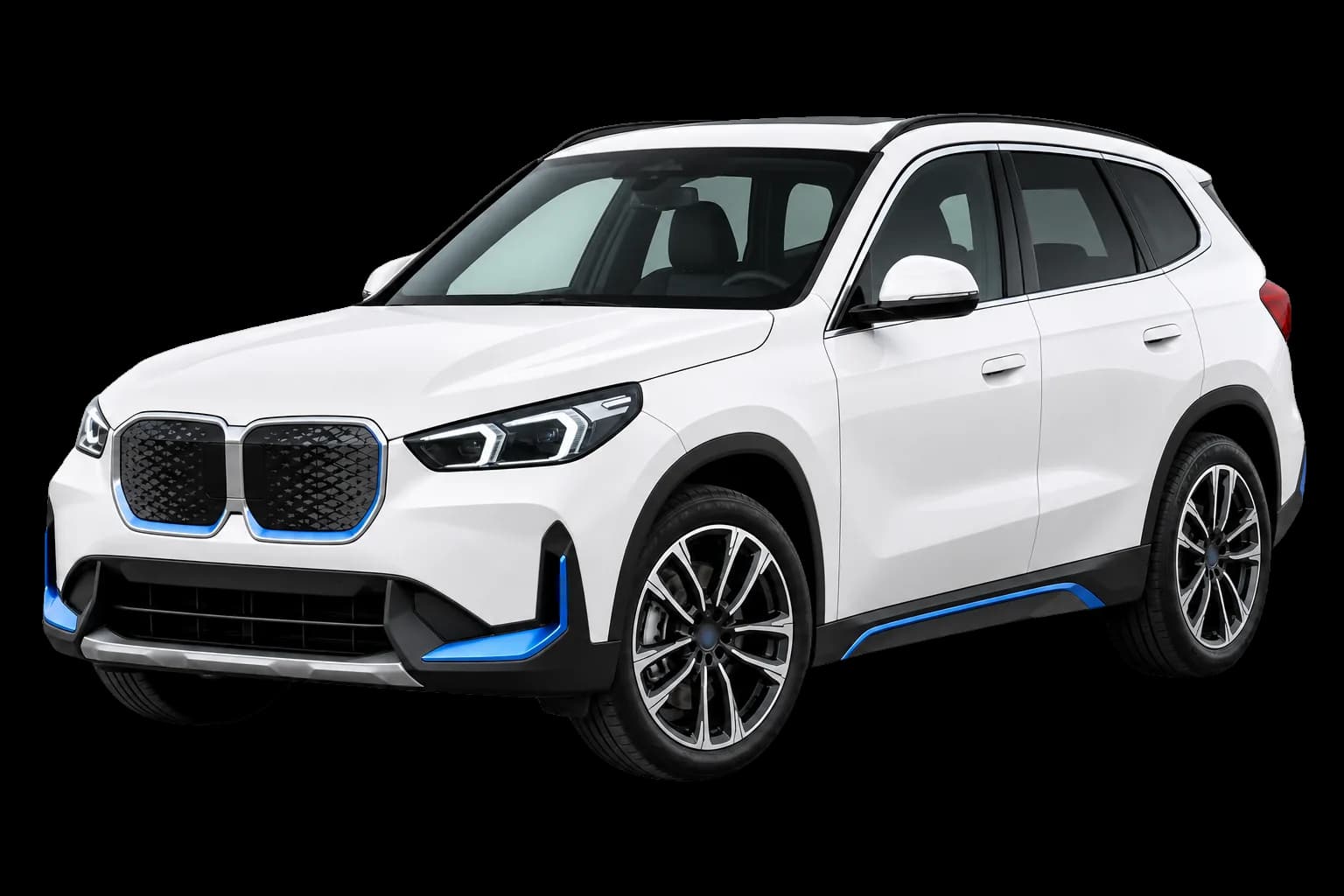
You can already get notified for these models:

Georg Wächter
Founder & developer · Berlin
Why Akkubrief exists
Akkubrief exists so a good battery does not lose value at sale simply because its condition can only be claimed rather than demonstrated.
Behind Akkubrief is Georg Wächter. Instead of a team collage and stock-photo office you'll find a name, a face and a methodology anyone can read.
Build today the evidence you will need when you sell.
Connect once. Akkubrief then documents your battery while you drive and charge as usual – until individual data points become evidence you can show a later buyer.
Today: connect your vehicle
Sign-in happens directly with the manufacturer. Akkubrief only receives read access – no password and no vehicle control.
Week 1 · a few minutes
While you drive: build the evidence
Suitable charging sessions provide data over weeks and months that you can later use to demonstrate how the battery developed.
a first estimate after your first charges, history over months
When you sell: prove it, don’t just claim it
Issue your Akkubrief and share it with the buyer. They can verify the document and its link to the vehicle themselves.
on demand, when you need it
Sample data · Each tick under the axis is one charge. The band shows the estimate's uncertainty; further suitable charges can narrow it.
Why free?
Every connected vehicle adds to our data. That lets us study how batteries develop, and build comparison groups, across more and more vehicles. That is the deal, and we say it out loud.
What you give
In return, your connected vehicle always counts anonymously in our fleet analyses — only as a group value with a minimum group size, never with VIN, name or location.
What you get
You build your Akkubrief and watch its history — free.
How we make money
We earn money at the moment of sale: when you issue your signed Akkubrief. It costs a one-time €79 at launch.
The method first, then the data
Anyone can promise accuracy. We take the opposite route: first we fix the method publicly, then we collect the data. The results will be published, however they turn out.
Preregistered validation study
Preregistration means: method, sample and success criteria are fixed with an external timestamp before any data is collected. Bending the criteria afterwards would be publicly visible.
Your Akkubrief is built from data your car records anyway — no appointment, no hardware, no test drive. The three routes compared →
Frequently asked questions
Do you need my Tesla password?
No. Access means very little here — five fixed rules apply:
- You sign in on Tesla's own site — we never see your password.
- Read-only access: we cannot control, unlock or start anything.
- We never wake your car.
- No location access — we do not even ask for it.
- You can revoke access at any time — with us or directly in your Tesla account.
Can you control my car?
No. We only request read permissions — we cannot control, unlock or start charging.
Which vehicles are supported?
Tesla at launch: Model 3 and Model Y, Model S and Model X depending on the battery variant and model year. Two very different cell types were in circulation for the 2021 Model 3 base variant; we now read which one is fitted from the pack voltage, once a few data points above 65% state of charge are in. For Model S and Model X we issue for the 75 pack (2016–2019) and the Palladium generation (Plaid from 2021, Long Range from 2022); for the 60, 70, 85, 90 and 100 packs we lack a sourced reference value. Where it is missing, we say so instead of guessing. On the S and X the onboard computer matters too: cars built before March 2018 do not send their readings directly to us, and without that streaming no certificate can be issued. Connecting works for every Tesla. More brands will follow via official vehicle interfaces.
What does it cost?
Connecting and building your Akkubrief are free. The signed Akkubrief is a one-time €79 at the moment of sale. We are currently in open beta: sales start after our validation study is published, expected in mid-December 2026. Your history is fully preserved until then, and early-access users get preferential terms.
What happens to my data?
Vehicle data is stored encrypted and never sold. Your connected vehicle always counts anonymously in our fleet analyses — only as a group value with a minimum group size, never with VIN, name or location; that is the deal behind building your Akkubrief for free. The signed Akkubrief shows the VIN only masked and as a checksum. Deletion at any time on request.
Who is behind this?
An independent project from Germany — not affiliated with Tesla. Our methodology and verification process are public.
Do I still pay if the result is poor?
You pay for the signed Akkubrief, not for a particular result. It documents the battery history it states and the current figure — whether that figure is high or low. It is only issued once the data supports it.
How do you calculate battery health?
From what the car does while driving and charging: every unbroken movement of the state of charge is a measurement run, and its slope (energy per percentage point of charge) gives the capacity. Many runs combined with robust statistics yield a reliable range instead of a snapshot. The full methodology is publicly documented, including limits and a changelog.
Why is the Akkubrief free?
Every connected vehicle adds to our data. That lets us study how batteries develop, and build comparison groups, across more and more vehicles. That is the deal, and we say it out loud.
In return, your connected vehicle always counts anonymously in our fleet analyses — only as a group value with a minimum group size, never with VIN, name or location.
You build your Akkubrief and watch its history — free.
We earn money at the moment of sale: when you issue your signed Akkubrief. It costs a one-time €79 at launch.
What does the beta mark mean?
Beta here means one thing: you cannot buy an Akkubrief yet. Connecting and building run in full. The field study continues to issue signed certificates in the existing document version; individual Akkubrief documents can already be issued through unlock codes. Your figure is therefore not a preview: every Akkubrief states its range, and that range belongs to the method. We are still working on the method itself, at present mainly on the reference figure — the benchmark we hold your measurement against. What improves there is not the measurement of your car but the comparison. Public evidence across many vehicles is open as well. Our validation study freezes its dataset on 16 November 2026, publication is expected in mid-December 2026, and sales open after that.
Guides: battery know-how for buying & selling
The key articles on proving battery health: independent, sourced and free of sales pressure.
Read the SoH or Measure It? What the Garage Figure Can and Cannot Tell You
At a franchised garage or through an OBD dongle, the SoH is read out of the battery management system. What that figure means, why it can differ from measured capacity, and what a seller gains from it.
Updated: 26.10.2026Will a Battery Certificate Hold Up in Court?
No battery certificate binds a court — not one from a large inspection group either. How German courts treat these documents, the four properties that make a certificate usable, and what buyers and sellers should do about it.
Updated: 14.09.2026EV battery history: what it gives you when you sell
One battery figure shows today's condition. Akkubrief also records the history: built for free in everyday use and later verifiable by buyers.
Updated: 21.09.2026
B2B
Battery history for remarketing, dealers and fleets
Document how the battery develops during the use phase — not only at return or resale.
Same document, a different occasion: anyone keeping vehicles in stock for years can document how the battery develops during the use phase, instead of starting only at return or resale. We are building fleet access now and are talking to dealers, leasing companies and fleet operators.
Request a conversationWe'll let you know
We are building the VW connection at the moment; BMW and Volvo are running alongside, and more brands follow. Sign up and we'll get in touch as soon as your model is ready.
Supported today
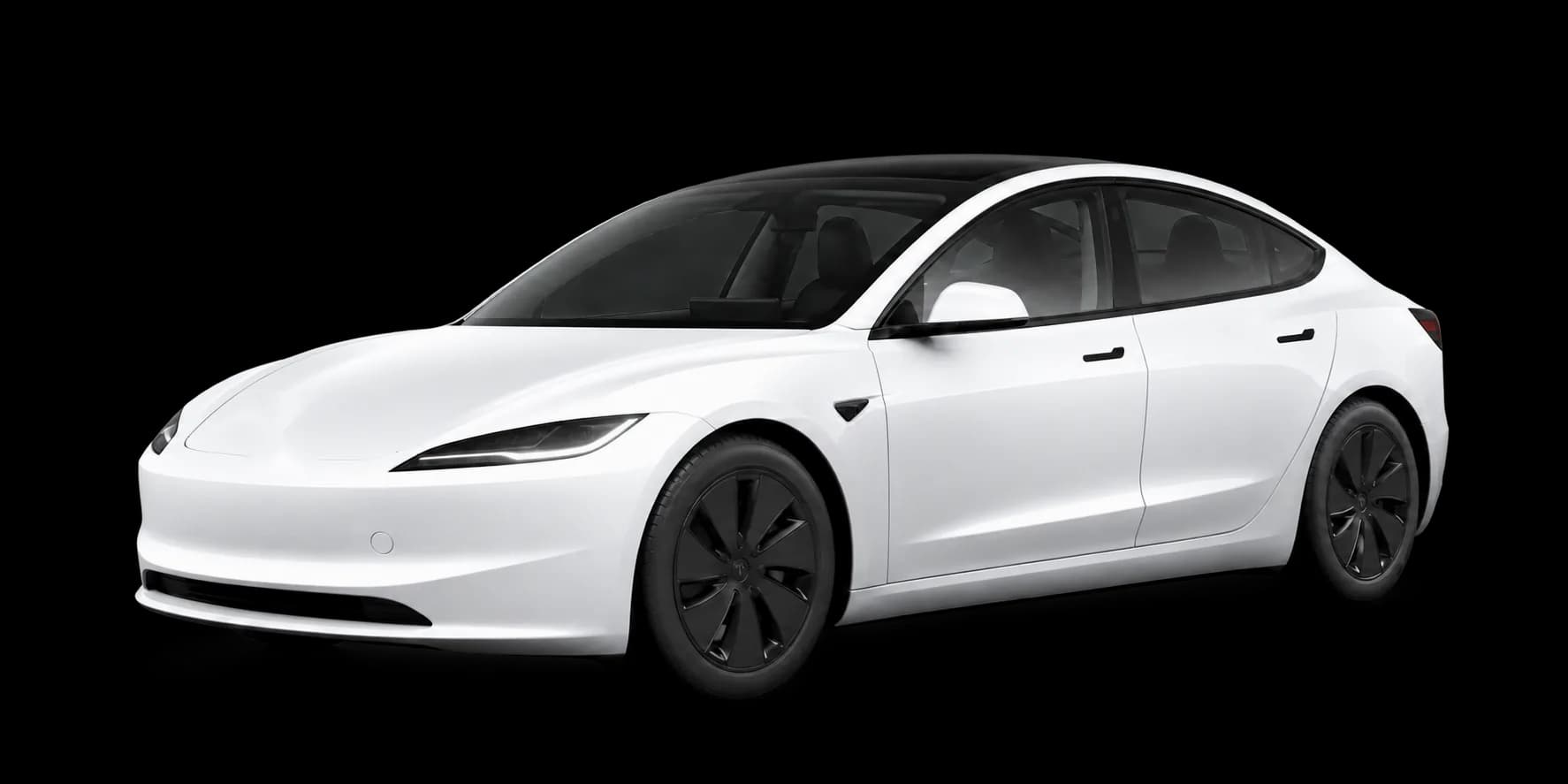 Tesla Model 3
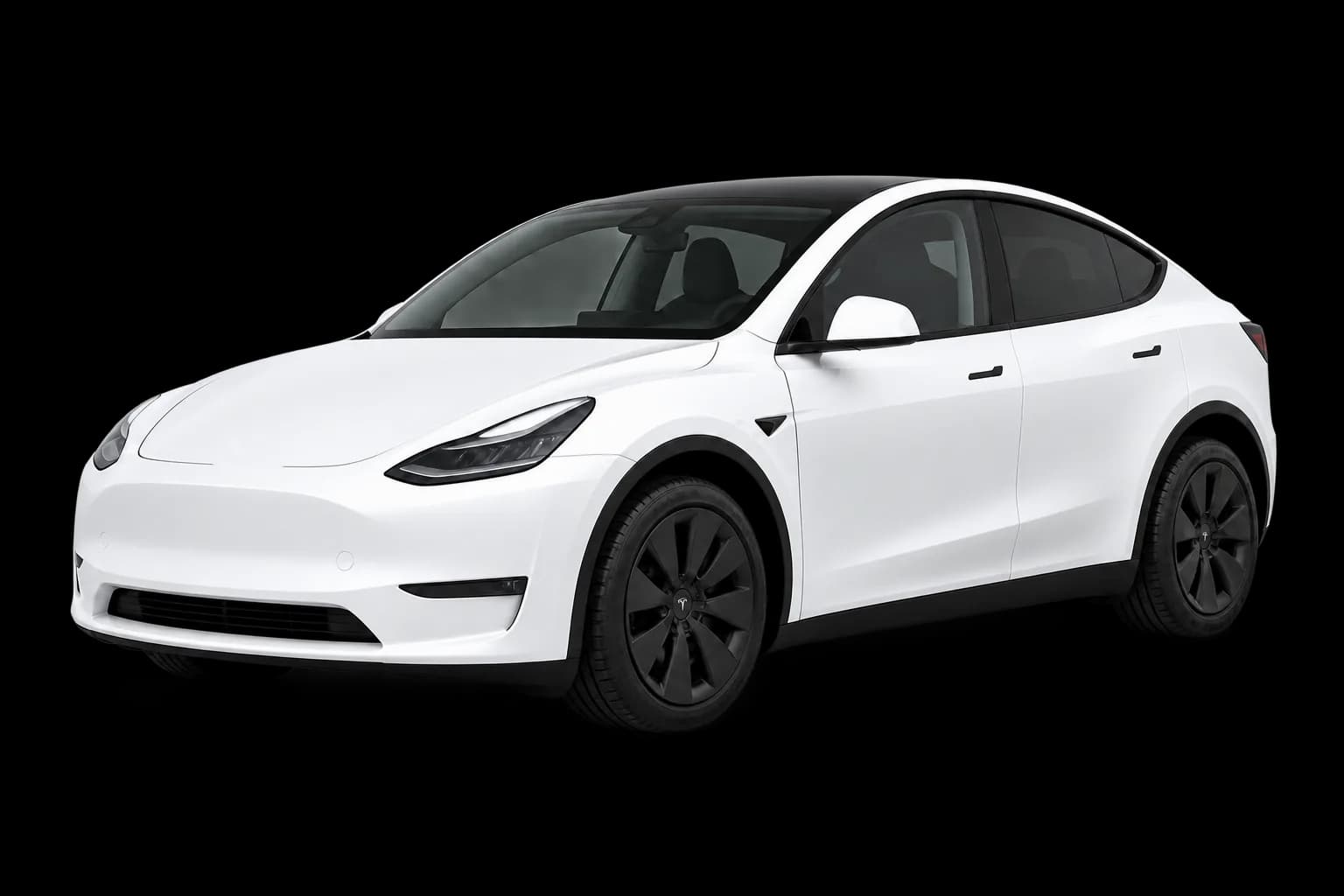 Tesla Model Y
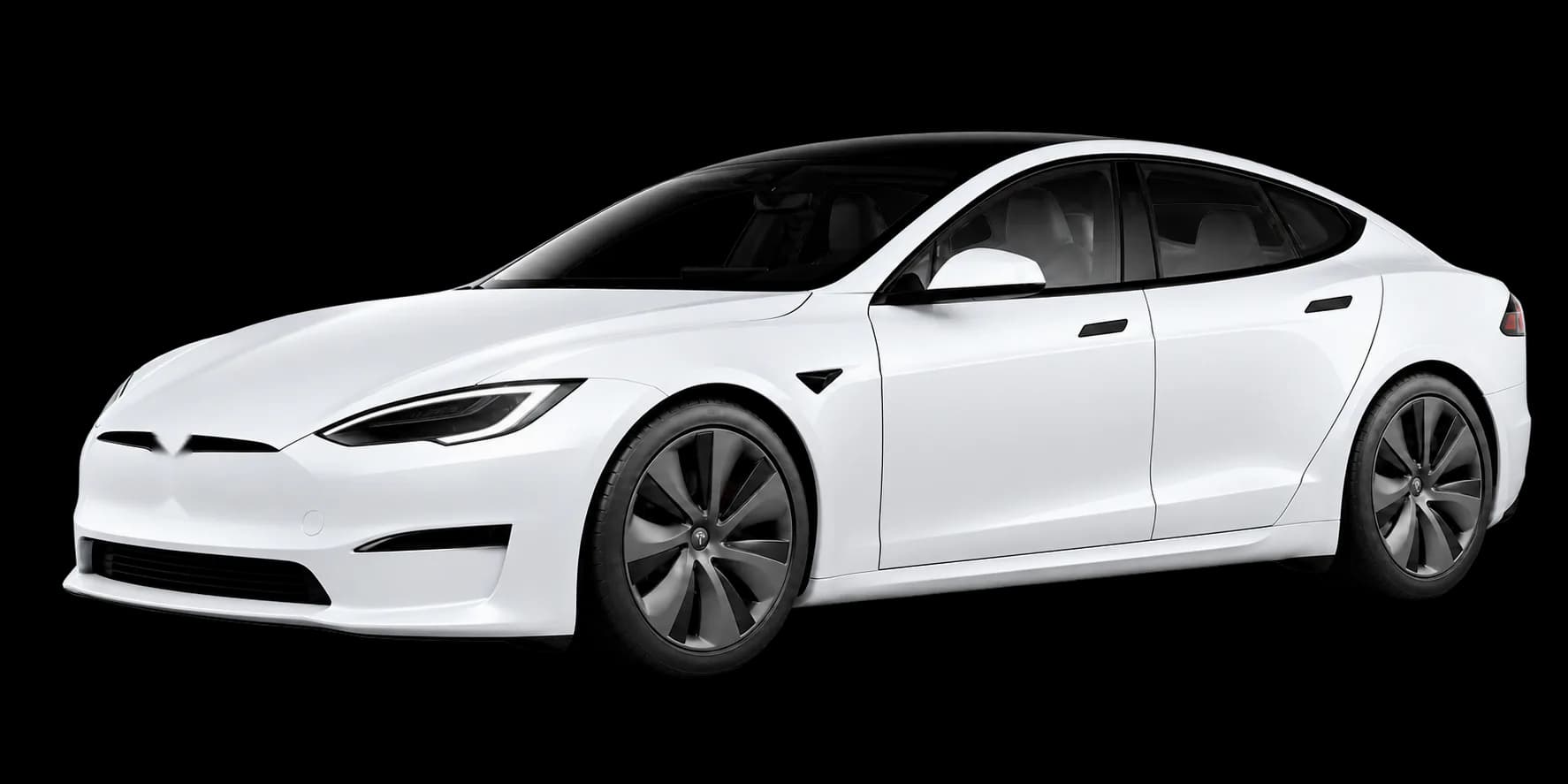 Tesla Model S
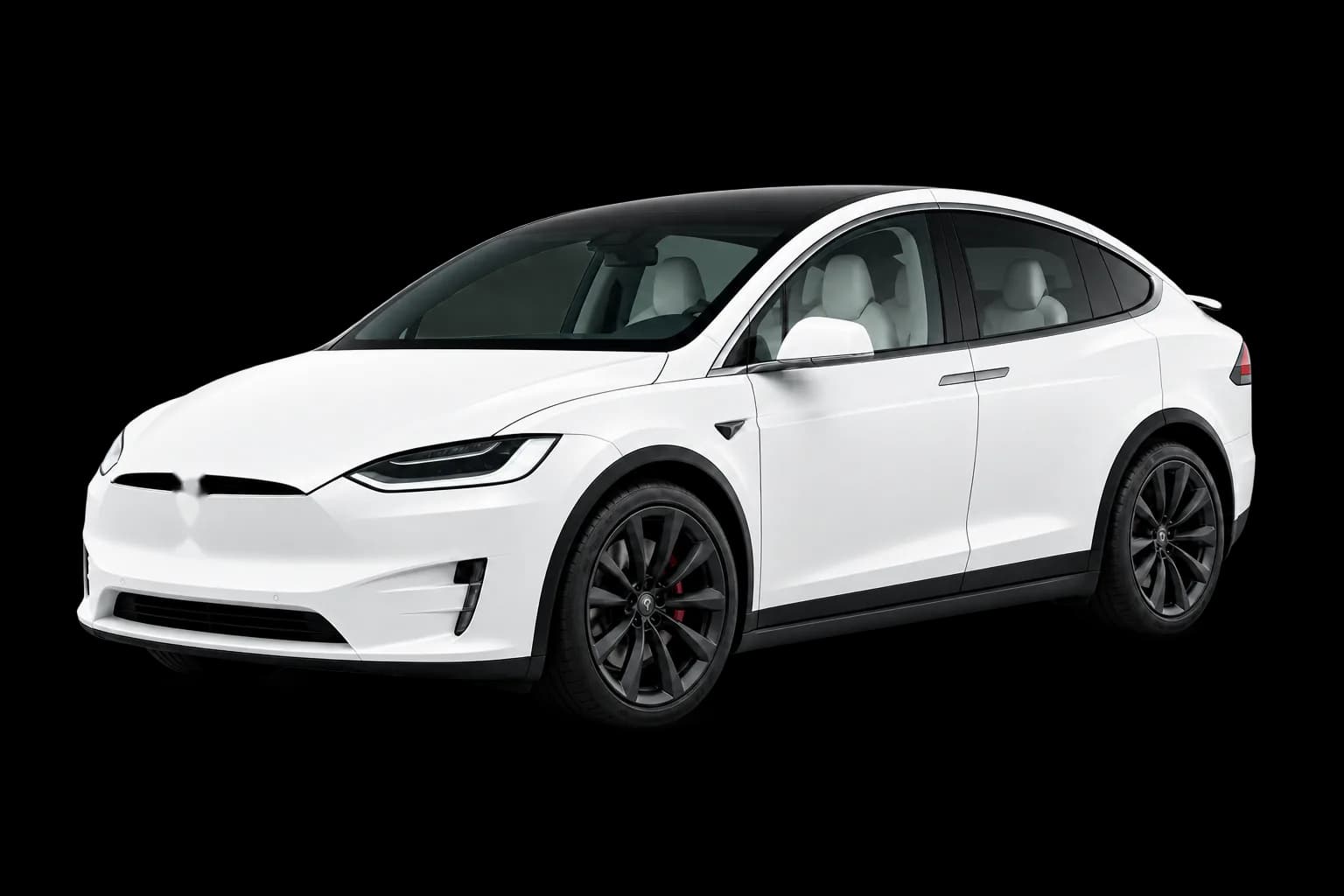 Tesla Model X
Another EV?
Only to notify you about your model. No newsletter, no sharing. Confirmed via double opt-in.