Used BMW i3: Battery, Variants, SoH
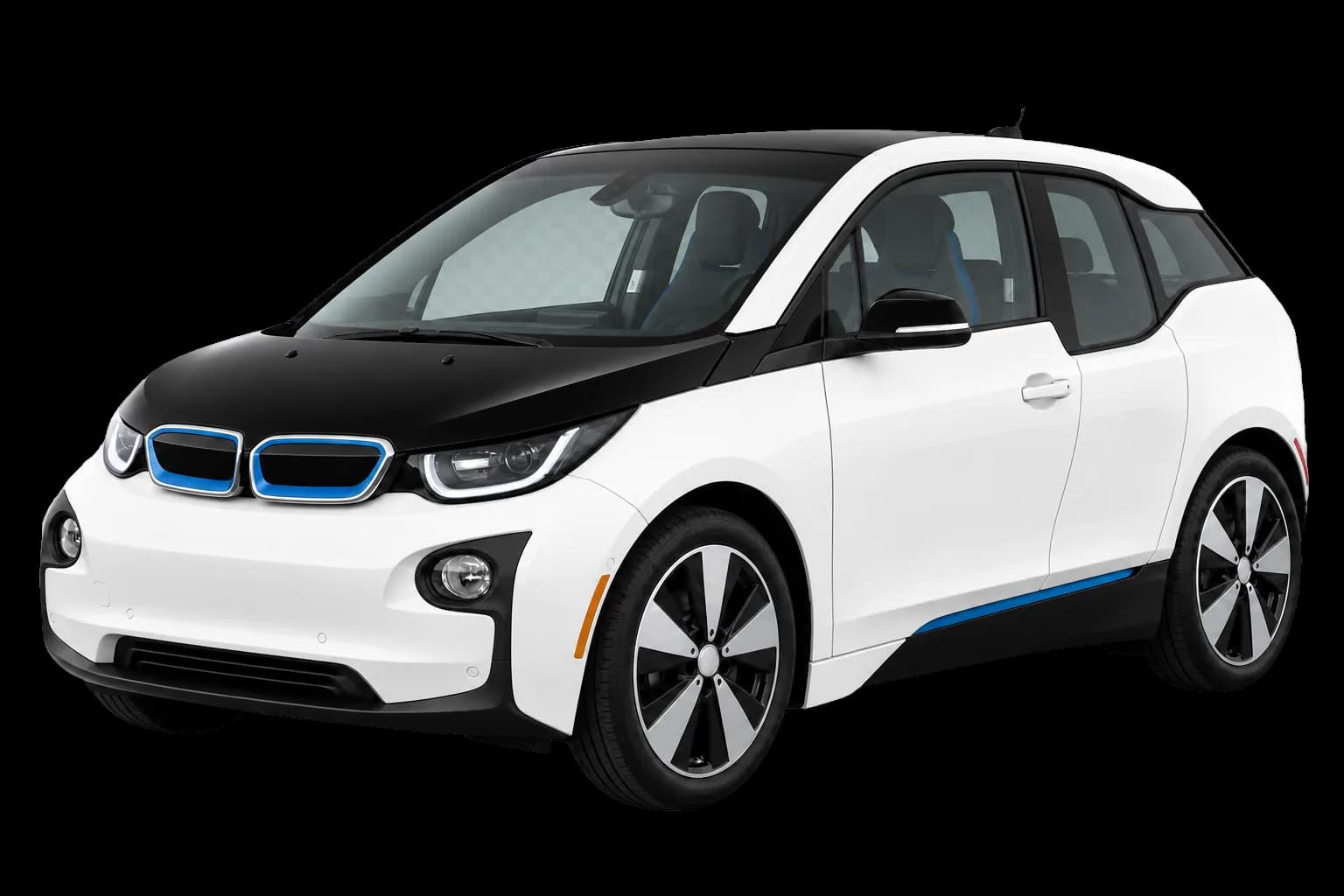
Variants & batteries at a glance
| Variant | Period (EU) | Usable capacity | Cell chemistry |
|---|---|---|---|
| 60 Ah (18.8 kWh) | 2013 – 2017 | 18.8 | NMC |
| 94 Ah (27.2 kWh) | 2016 – 2018 | 27.2 | NMC |
| 120 Ah (37.9 kWh) | 11/2018 – 3/2022 | 37.9 | NMC |
60 Ah (18.8 kWh) (2013 – 2017)
| Period | net kWh | Chemistry | Cells |
|---|---|---|---|
| 2013 – 2017 | 18.8 | NMC | Samsung SDI, prismatic, liquid-cooled; 8 modules of 12 cells |
The oldest generation is the only one with clearly measurable ageing: the ADAC endurance test showed 86% left after 5 years and 100,000 km; a long-term sample measured by BMW itself for AUTO BILD showed 74% after 9 years and 143,000 km — according to BMW, around 85% of the 60 Ah fleet is level with or better than that car. The battery warranty (8 years/100,000 km) has expired on every 60 Ah vehicle — the documented actual condition is everything here.
AC 3.7 kW as standard (optionally 7.4 kW), DC CCS 50 kW only with the rapid-charging option — check it is fitted before buying.
Battery warranty for this variant: 8 years / 100,000 km (70% minimum capacity).
94 Ah (27.2 kWh) (2016 – 2018)
| Period | net kWh | Chemistry | Cells |
|---|---|---|---|
| 2016 – 2018 | 27.2 | NMC | Samsung SDI 94 Ah, prismatic (VDA format), NCM 111 |
Documented owner measurement series show the 94 Ah generation holding up well — values close to new at low to medium mileages. Here too the warranty (8 years/100,000 km) has by now expired practically everywhere.
AC 3.7 kW as standard, optionally 11 kW three-phase; DC CCS 50 kW optional (80% in around 39 minutes).
Battery warranty for this variant: 8 years / 100,000 km (70% minimum capacity).
120 Ah (37.9 kWh) (11/2018 – 3/2022)
| Period | net kWh | Chemistry | Cells |
|---|---|---|---|
| 11/2018 – 3/2022 | 37.9 | NMC | Samsung SDI, prismatic; 8 modules of 12 cells, pack assembly at BMW's Dingolfing plant |
The youngest generation looks very solid in documented measurements (around 95% after 4 years). Warranty: cars delivered before 1 August 2019 carry 8 years/100,000 km, later cars 8 years/160,000 km — so the last i3 stay in warranty until 2030 at the latest.
AC 11 kW, DC CCS 50 kW (80% in around 42 minutes). The 50 kW ceiling is by design — no i3 charges faster.
Battery warranty for this variant: 8 years / 160,000 km (70% minimum capacity).
The i3 was BMW's electric pioneer (carbon-fibre body, Samsung SDI cells, built from 2013 to 2022) and is today the cheapest way into a premium EV: 60 Ah examples from around €9,500, 94 Ah from roughly €13,500, and the sought-after 120 Ah generation between €16,000 and €28,000. On the battery side there is one peculiarity hardly any buyer has on their list: the battery warranty has expired on almost every i3.
Warranty over — the state is what counts
BMW warranted 8 years on 70% of capacity, capped at 100,000 km for cars delivered before 1 August 2019. In 2026 that means: every 60 Ah and 94 Ah car is out, and of the 120 Ah cars only the youngest remain covered, until 2030 at the latest. Unlike with young used EVs there is no safety net left — on the i3, the documented actual condition of the battery is the whole game.
No car makes reading it out easier than the i3. The secret menu in the instrument cluster shows the usable remaining capacity with no equipment at all; OBD apps such as electrified or mi3 deliver the SoH directly.
What the long-term data shows
The three generations age very differently:
- 60 Ah (2013–2017): the only one with clearly measurable degradation — 86% after 5 years/100,000 km in the ADAC endurance test, 74% after 9 years/143,000 km in a long-term sample measured by BMW itself. Often perfectly adequate for city driving, but the price has to reflect it.
- 94 Ah (2016–2018): documented owner measurement series close to new at medium mileages.
- 120 Ah (2018–2022): the most stable and most sought-after generation — around 95% after 4 years is documented.
What to check before buying
- Do an AC charging test. The convenience charging electronics (KLE) module is the most expensive known weak spot (repair €1,200 to €2,500). If the car only draws 2 to 3 kW at an 11 kW post, the KLE is suspect.
- On cars built late 2018 to spring 2019: ask about the drive-motor electronics (EME) — documented drive failures, and a US recall on the topic.
- Check the rapid-charging option. CCS at 50 kW was optional on the 60 Ah and 94 Ah — without it the i3 charges on AC only.
- Read out and document the SoH. Note the secret-menu value, compare it with the as-new figures (18.8 / 27.2 / 37.9 kWh) — and keep it in view for the resale: a single read-out is a snapshot; what defends the price is the documented history.
Battery warranty
BMW warrants the battery for 8 years with at least 70% remaining capacity. Mileage limits and exceptions are shown with the variants above and in the questions below.