Used Fiat 500e: Battery, Variants, SoH
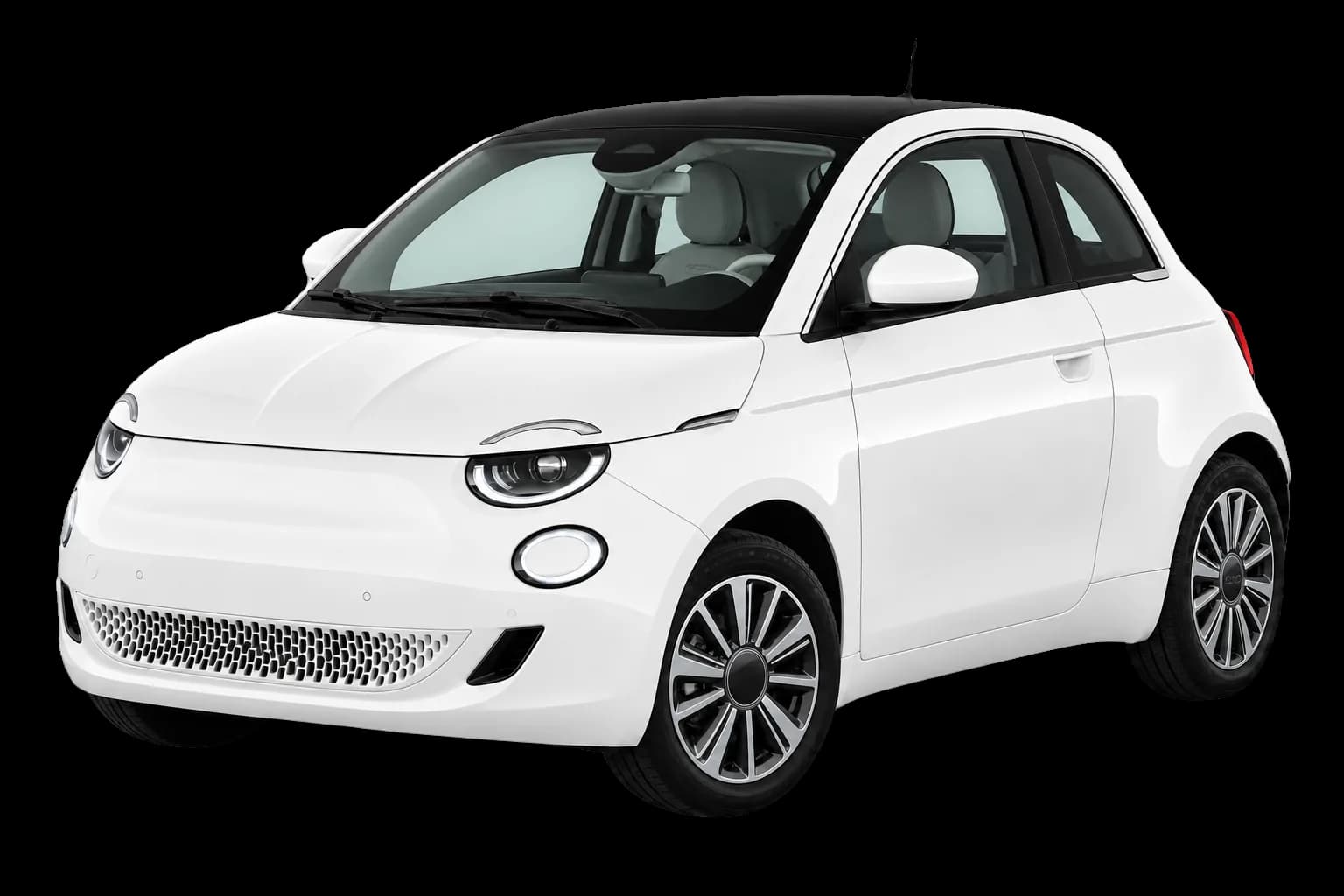
Variants & batteries at a glance
| Variant | Period (EU) | Usable capacity | Cell chemistry |
|---|---|---|---|
| 23.8 kWh (incl. Action, Pop) | since 11/2020 | 21.3 | NMC |
| 42 kWh (incl. Icon, La Prima, 3+1) | since 11/2020 | 37.3 | NMC |
23.8 kWh (incl. Action, Pop) (since 11/2020)
| Period | net kWh | Chemistry | Cells |
|---|---|---|---|
| since 11/2020 | 21.3 | NMC | Samsung SDI cells; per Fiat support lithium-ion 'generation 3a', configuration 108s1p |
The city EV with 190 km WLTP (around 150 km in practice) — and a little-known catch: per the ADAC data sheet, the battery warranty on the small pack is capped at 100,000 km instead of 160,000. On the used market it is the cheapest entry point: verified listings from around €11,500.
AC 2.3–11 kW, DC 50 kW (80% in around 30 minutes).
Battery warranty for this variant: 8 years / 100,000 km (70% minimum capacity).
42 kWh (incl. Icon, La Prima, 3+1) (since 11/2020)
| Period | net kWh | Chemistry | Cells |
|---|---|---|---|
| since 11/2020 | 37.3 | NMC | Samsung SDI cells, configuration 96s2p; identical across hatchback, convertible and 3+1 |
The range variant (321 km WLTP, around 245 km in practice). Documented individual measurements sit around 90 to 95% up to roughly 80,000 km — one used-car check found 92.2% at 74,000 km. From 2027 Fiat switches to an LFP battery from the CATL joint venture — future build years will carry a different cell chemistry.
AC 2.3–11 kW, DC 85 kW — the ADAC measured 10–80% in around 24 minutes.
Battery warranty for this variant: 8 years / 160,000 km (70% minimum capacity).
The 500e is one of the cheapest ways into a used EV: 23.8 kWh examples start around €11,500, the 42 kWh version around €14,500 — against a median of about €20,000 and new prices that were at times 60% higher. On the battery side the little Fiat has two quirks that hardly any listing explains: the trim name does not reveal the battery size, and the warranty length differs by battery.
Identify the battery first, then compare prices
Since April 2022, trims such as Icon exist with both batteries. The only reliable identifier is motor output: 70 kW (95 PS) = 23.8 kWh, 87 kW (118 PS) = 42 kWh — around 150 versus 245 km of real range, DC 50 versus 85 kW. And on warranty: 8 years at 70%, but per the ADAC data sheet 160,000 km for the big battery and only 100,000 km for the small one. The warranty is also tied to servicing — on the 500e, the complete service history is part of the battery check.
The real risks: 12 volts and charging hardware, not the cells
The documented 500e dramas almost all play out in the low-voltage system: suddenly dead 12 V batteries, a car that will neither open nor start, garages replacing parts without findings. On top comes the most expensive known defect: a failed on-board charger blocks AC charging (repair from around €1,200). The high-voltage battery itself is unremarkable — individual measurements sit around 90 to 95% SoH up to roughly 80,000 km, and in the TÜV-Report 2026 the 500e is best in the mini segment. What it lacks is a large fleet evaluation — which makes the documented individual record count all the more.
What to check before buying
- Identify the battery via motor output (70 vs 87 kW) — not via the trim name.
- Do an AC charging test. A failed on-board charger only shows up when charging at a wallbox or post — ten minutes that guard against the most expensive known repair.
- Ask about the 12 V history: standing times, failures, battery already replaced? And have the dealer check against the VIN that recalls (6527, 6923) and the software service action are done.
- Check the service history — here it is a warranty condition. And read the SoH not once via Car Scanner but as a documented trend: on a car without fleet data, the documented individual record is the strongest selling argument.
Battery warranty
Fiat warrants the battery for 8 years with at least 70% remaining capacity. Mileage limits and exceptions are shown with the variants above and in the questions below.